
Greenwashing awareness is becoming increasingly vital as consumers seek genuine sustainable practices amidst a sea of misleading claims. As businesses strive to appear environmentally friendly, the term “greenwashing” has emerged to describe the tactics used to mislead customers about a product’s sustainability. This awareness not only empowers consumers but also encourages companies to adopt more ethical and transparent marketing strategies.
The implications of greenwashing extend beyond mere marketing; they impact consumer trust and the overall integrity of sustainable practices. Understanding the nuances of greenwashing helps individuals make informed choices while holding brands accountable for their claims.
Understanding Greenwashing
Greenwashing refers to the practice where companies present an exaggerated or misleading impression of their environmental efforts. This approach can significantly impact consumers, as it creates a false sense of trust and can lead to misguided purchasing decisions. As environmental awareness rises, understanding the implications of greenwashing becomes crucial in discerning genuine sustainability from mere marketing tactics.Historically, greenwashing has roots in the increased public interest in environmental issues, dating back to the 1960s and 1970s.
Initially, companies may have adopted greenwashing as a response to public pressure, but over time it has evolved into a widespread marketing strategy. The consequences of greenwashing are profound, eroding consumer trust and leading to skepticism toward all environmental claims.
Impact of Greenwashing on Consumer Trust
The credibility of brands is undermined by greenwashing. Consumers, when exposed to misleading claims, often become cynical about legitimate sustainability efforts. This growing distrust can lead to a broader disengagement from environmental initiatives, as people might assume that all brands are guilty of greenwashing.
Greenwashing and Business Ethics
The ethical landscape surrounding marketing and branding is significantly influenced by greenwashing. Organizations engaging in deceptive environmental practices not only mislead consumers but also compromise their ethical standing in the business community. Recognizing ethical implications is essential for companies aiming to maintain integrity and authenticity.Corporate social responsibility (CSR) plays a critical role in addressing the challenges posed by greenwashing. Companies that prioritize CSR and commit to genuine sustainability efforts can distinguish themselves in a crowded market.
Transparency is another vital element in combating greenwashing; open communication about environmental practices fosters trust and accountability.
Role of Corporate Social Responsibility
CSR initiatives can help combat greenwashing by ensuring that companies engage in responsible marketing practices. When organizations align their branding with authentic environmental commitments, they enhance their reputation and build lasting consumer relationships.
Greenwashing in Business Advertising
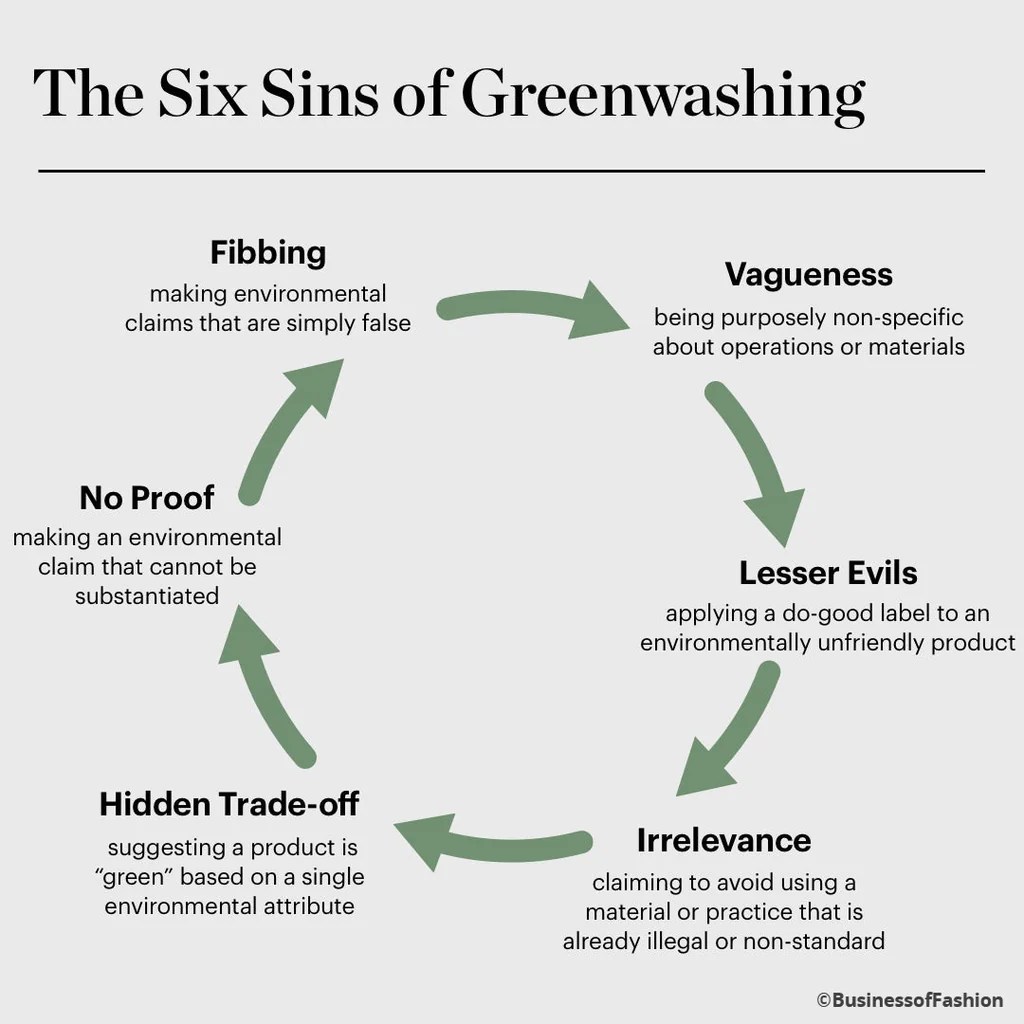
Advertising is often the first point of contact for consumers learning about a brand’s environmental impact. Unfortunately, many companies utilize common greenwashing tactics to embellish their sustainability claims. Examples of these tactics include vague language, misleading visuals, and unverified certifications that suggest more environmentally friendly practices than actually exist.Misleading environmental claims can have legal consequences as well. Regulatory bodies are increasingly scrutinizing advertising practices.
Companies that fail to substantiate their claims risk facing penalties or reputational damage.
Authentic Promotion of Sustainability
To genuinely promote sustainability, companies can adopt various methods, including:
- Using clear and specific language in environmental claims.
- Providing verifiable evidence of sustainability initiatives.
- Engaging in third-party certifications that validate claims.
- Building a comprehensive sustainability strategy that aligns all marketing efforts.
The Role of Business Accounting in Greenwashing Awareness
Financial reporting can expose greenwashing practices, as discrepancies between a company’s stated environmental commitments and actual financial investments can reveal unethical practices. Transparency in accounting is essential for fostering accountability and ensuring that sustainability claims are backed by actual performance.Auditing sustainability claims is another critical step in maintaining integrity. Regular audits can help organizations verify their environmental commitments and identify any potential greenwashing tactics.
Adopting ethical accounting practices is vital in discouraging greenwashing, as it encourages organizations to be honest and transparent about their environmental impacts.
Guidelines for Ethical Accounting Practices
To discourage greenwashing, companies should implement guidelines such as:
- Establishing clear reporting standards for environmental claims.
- Conducting regular audits to ensure compliance with sustainability goals.
- Engaging stakeholders in the reporting process for greater transparency.
Greenwashing in Agriculture and Sustainability
The agricultural sector often faces challenges related to greenwashing, with some products marketed as sustainable lacking genuine practices. Comparing sustainable agriculture methods with those that falsely claim sustainability reveals significant discrepancies that can mislead consumers.Certifications are crucial for consumers to identify genuine sustainability efforts. Labels like USDA Organic and Rainforest Alliance Certified can guide consumers in making informed decisions. The consequences of greenwashing in agriculture can be detrimental, undermining consumer trust and perpetuating unsustainable practices.
Consequences of Greenwashing in Agriculture
The impact of greenwashing on the agricultural industry includes:
- Consumer confusion regarding what constitutes sustainable farming.
- Decreased market share for genuinely sustainable farmers.
- Long-term damage to the credibility of environmental certifications.
Architecture and Greenwashing
In the realm of architecture, green building certifications serve as a benchmark for assessing sustainability. However, not all certifications are created equal, and some may be exploited for greenwashing. Evaluating the effectiveness of these certifications is essential to ensure they genuinely reflect environmental quality.The use of sustainable materials is another critical aspect of combating greenwashing in architecture. Authentic green buildings not only minimize environmental impact but also prioritize the health and well-being of occupants.
Developing a framework for evaluating the authenticity of green building claims can help stakeholders discern genuine efforts from misleading practices.
Framework for Evaluating Green Building Claims
To analyze green building claims effectively, consider the following:
- Assess the credibility and transparency of the certification body.
- Investigate the lifecycle impact of materials used in construction.
- Evaluate the overall energy efficiency of the building.
Human Resources and Greenwashing Awareness
Human Resources (HR) departments play a vital role in promoting a culture of sustainability within organizations. By integrating sustainability into the company ethos, HR can help mitigate the risk of greenwashing. Training employees to recognize and address greenwashing is essential for building an informed workforce. Employees equipped with knowledge about sustainability practices can act as ambassadors for authentic environmental efforts, fostering a company culture that values transparency and ethics.
Strategies for Training Employees
HR can implement various strategies to enhance awareness of greenwashing, such as:
- Conducting workshops on sustainability and ethical practices.
- Creating resources for employees to identify greenwashing.
- Encouraging open discussions about sustainable practices within teams.
Business Consulting in Addressing Greenwashing
Business consultants can play a pivotal role in helping companies navigate the pitfalls of greenwashing. By advising organizations on best practices for authentic sustainability, consultants can foster an environment of accountability and transparency.Successful case studies of consulting interventions against greenwashing demonstrate effective strategies that can be applied across various industries. Additionally, numerous tools and resources are available for businesses to evaluate their environmental claims more critically.
Tools and Resources for Evaluating Environmental Claims
Consultants can recommend the following tools:
- Environmental impact assessment frameworks.
- Guidelines for conducting sustainability audits.
- Access to databases of sustainability certifications.
Impact of Greenwashing on Customer Service
Greenwashing has implications for customer service interactions, as consumers may become frustrated when marketing messages do not align with actual practices. Companies need to be aware of this disconnect to maintain a positive relationship with their customers.Implementing customer feedback mechanisms can help identify instances of greenwashing and provide valuable insights into consumer perceptions. Educating customers about how to recognize greenwashing is another essential step in fostering transparency and trust.
Ways to Educate Customers
Companies can educate their customers through:
- Providing clear information about sustainability practices on product packaging.
- Creating informative content on official websites about greenwashing.
- Encouraging customers to ask questions and engage in discussions about sustainability.
Navigating Change Management to Combat Greenwashing
Implementing effective change management strategies is crucial for organizations seeking to improve sustainability practices. Leadership plays a critical role in guiding companies away from greenwashing and towards authentic environmental stewardship.Successful change initiatives can enhance a company’s environmental credibility, demonstrating a commitment to genuine sustainability. By embracing innovation and fostering a culture of accountability, organizations can create meaningful change that resonates with consumers.
Examples of Successful Change Initiatives
Some successful initiatives include:
- Transitioning to renewable energy sources across operations.
- Implementing waste reduction programs that engage employees.
- Partnering with NGOs to promote genuine sustainability efforts.
The Construction Industry and Greenwashing
The construction industry faces unique challenges in promoting genuine sustainability. As green building practices become more popular, the risk of greenwashing increases, necessitating a focus on authenticity.Third-party verification is essential in ensuring that sustainability claims in construction are valid. By aligning with authentic green practices, construction companies can build trust with consumers and stakeholders.
Methods for Aligning with Authentic Green Practices
Construction companies can adopt methods such as:
- Engaging in comprehensive sustainability assessments before projects.
- Collaborating with certified green professionals during the design phase.
- Committing to transparent reporting on sustainability metrics.
Entrepreneurialism and Greenwashing
Startups have a unique opportunity to avoid greenwashing while promoting sustainability. By embedding sustainability into their core values from the beginning, they can build authentic brands that resonate with conscientious consumers.Innovation is key in developing authentic green products. By leveraging new technologies and sustainable practices, startups can create offerings that genuinely contribute to environmental well-being.
Examples of Successful Green Businesses
Successful green businesses prioritize transparency and authenticity, including:
- Companies utilizing biodegradable materials in their products.
- Brands promoting circular economy practices.
- Startups focused on reducing carbon footprints through innovative solutions.
Final Review
In conclusion, raising awareness about greenwashing is essential for fostering a culture of authenticity and sustainability in business practices. As consumers become more discerning, companies must navigate the delicate balance between marketing and genuine commitment to environmental responsibility. By promoting transparency and ethical practices, we can collectively combat greenwashing and advance toward a more sustainable future.
FAQ Overview
What is greenwashing?
Greenwashing is the practice of misleading consumers regarding the environmental benefits of a product or service, often exaggerating claims to appear more eco-friendly.
How can I identify greenwashing?
Look for vague claims, lack of transparency, or certifications that are not well-known or verified by credible organizations.
Why is greenwashing a problem?
Greenwashing undermines consumer trust, misleads buyers, and can hinder genuine sustainable initiatives by creating confusion in the market.
What can consumers do to combat greenwashing?
Consumers can educate themselves, research companies’ claims, and support brands that demonstrate authenticity and transparency in their sustainability practices.
Are there regulations against greenwashing?
While there are some regulations and guidelines, enforcement varies by region, and many misleading claims may go unpunished unless consumers raise concerns.


